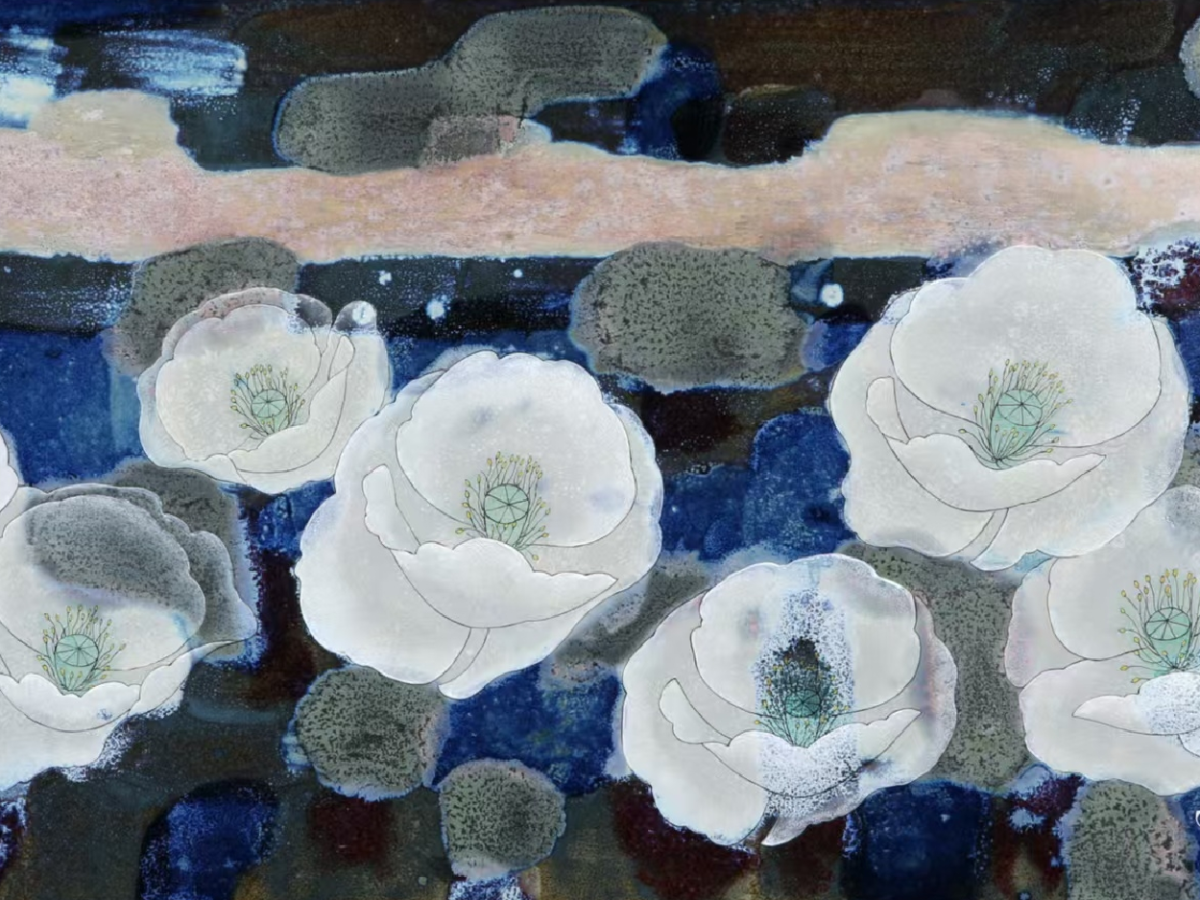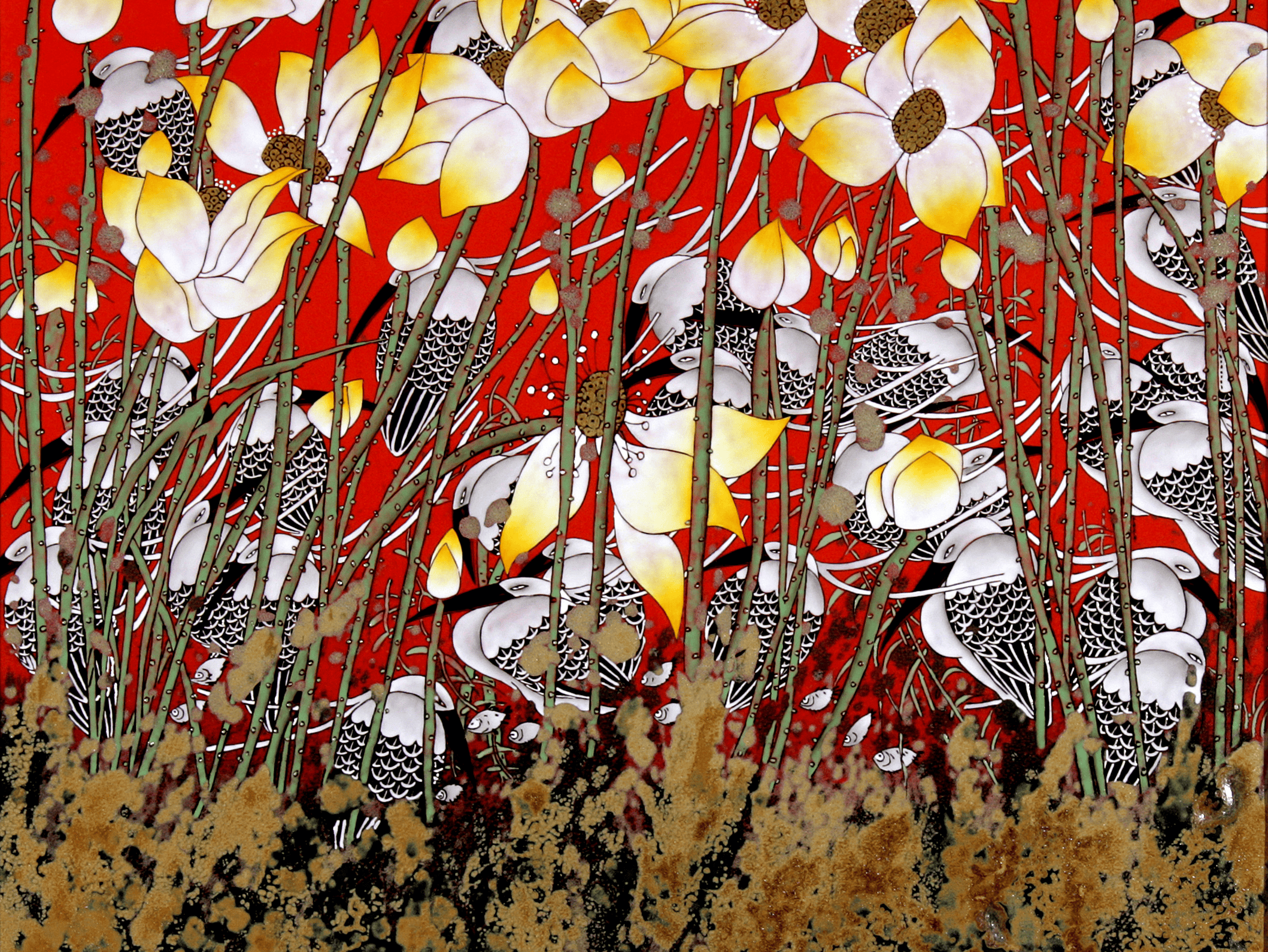
Clay carving expresses a impressive work style with a enduring history, spanning back legions of eras. From ancient holders to state-of-the-art displays, the substance offers unique possibilities for creative demonstration. Builders employ multiple techniques – including constructing, wheel throwing, and intricate firing processes – to alter humble loam into beautiful three-dimensional creations. The endurance of fired porcelain also contributes to its status as a truly consequential part of human heritage.
Examining Stoneware Tablet Compositions and Techniques
The field of ceramic panel design offers a extensive array of expressive possibilities. Crafters often explore a blend of classic and new techniques to construct visually stunning pieces. These can include from simple, crafted reliefs to complex, multi-layered assemblies. Routine methods include slip casting, manual forming, enameling – which can involve different methods like painting beneath the glaze, surface glaze ornamentation, and carved drawing where designs are unmasked by peeling off a layer of varnish. Extra examination into external finishes such as flash firing and lustering can result in truly one-of-a-kind and tailored earthenware tiles.
- The slip cast process - Forming pieces using a mold
- Hand Building - Manually manipulating the clay
- Surface Treatment - Finishing the layer with a shiny finish
- Scratched decoration - Uncovering designs by eroding covers
Enveloping Experiences: Earthenware Art Installations
The progressing landscape of design presents exciting innovative avenues for viewers, and ceramic art installations are at the apex of this wave. These aren't just static forms; they are assembled to envelop the viewer in a sensory experience. Imagine venturing into a forest of towering, polished ceramic trees, or navigating a network of refined ceramic vessels. Many craftsmen are now incorporating audio, glow, and even perfume to enhance the feeling of their work. Reflect on the power of a room filled with hundreds of uniquely ceramic artifacts, each telling a chronicle. Often, such installations study themes of the earth, heritage, and the individual.
- These particular installations blur the divisions between sculpture and building.
- Witnessing a ceramic art installation can be a deeply moving journey.
- Creators are extending the edges of what is conceivable with clay.
Each Charm of the Brick Urn: Significance and Design
The terracotta pot represents a impressive blend of efficiency and stylish appeal. Historically, these receptacles served a primary duty in sustaining contents, but their progression has transformed them into highly valued works of mastery. Each piece showcases the talent of the sculptor, demonstrating how form can be as essential as operation. The careful shaping, the special glazes, and the holistic presence of a well-made container can lift a space, offering both magnificence and a subtle reminder of the craftsman’s hand.
State-of-the-art Clay Creation : Testing Boundaries
Modern earthenware creation represents a fascinating transformation from traditional practices. Makers are vigorously challenging with modern techniques, questioning the boundaries between artwork and distinct aesthetic categories. From considerable installations to intricate miniature pieces, such works examine themes of persona while parallelly transforming the fundamental of what porcelain can manifest. The result is a lively arena of originative performance.
Stoneware Panel: Conserving Chronicle in Terracotta
Terracotta plaques offer a exclusive method for preserving significant events and characters. As opposed to traditional metal or stone markers, these lasting pieces of creation are formed from cooked clay, creating a material link to the former times. Regularly, they display intricate reliefs or meticulously crafted imagery, telling stories that might otherwise be passed over. An technique, rooted in ancient folk, ceramic sculpture provides a captivating and enduring way to commemorate our collective story.
- The mentioned can be set in open spaces.
- Several are now deemed historical wonders.
Porcelain Art Showcases: Changing Areas
Brick art installations are surfacing a influential medium for creators to revise public and private areas. These immersive designs frequently involve large-scale clay artifacts that involve viewers, shifting their awareness of the created environment. By utilizing diverse systems like artisanal crafting and elaborate firing ways, ceramic artists fabricate truly unique experiences, erasing the divisions between work and setting. The result is often a strong shift that raises the stylistic quality of the space and promotes dialogue.
Commencement Wheel to Phenomenon: The Art of the Terracotta Pot
The journey of a terracotta vase from a simple lump of mud to a finished work of mastery is a testament to human ingenuity. Previously, the process begins with the potter’s turntable, where the skilled artisan builds the whirling terracotta into a cylindrical figure. This foundational process demands clearness and a sensitive eye, followed by a delicate setting period. Once raw-fired, the container is ready for beautification, which may involve coloring intricate sketches, carving detailed views, or utilizing a variety of finishes. The ending kiln firing process then alters the item into a durable and pleasing vase, a tangible example of the creator's commitment.
Sculpting with Pottery: A Handbook to Porcelain Art
Entering the domain of terracotta production begins with understanding the essentials of carving with stoneware. A practice requires methodically assembling and carving elements to produce three-dimensional structures. If you're a beginner or a experienced craftsperson, testing with distinct classes of terracotta – notably pottery – will advance you identify your idiosyncratic expression. Ultimately, ceramic sculpting is a rewarding journey that combines technical skill with creative expression.