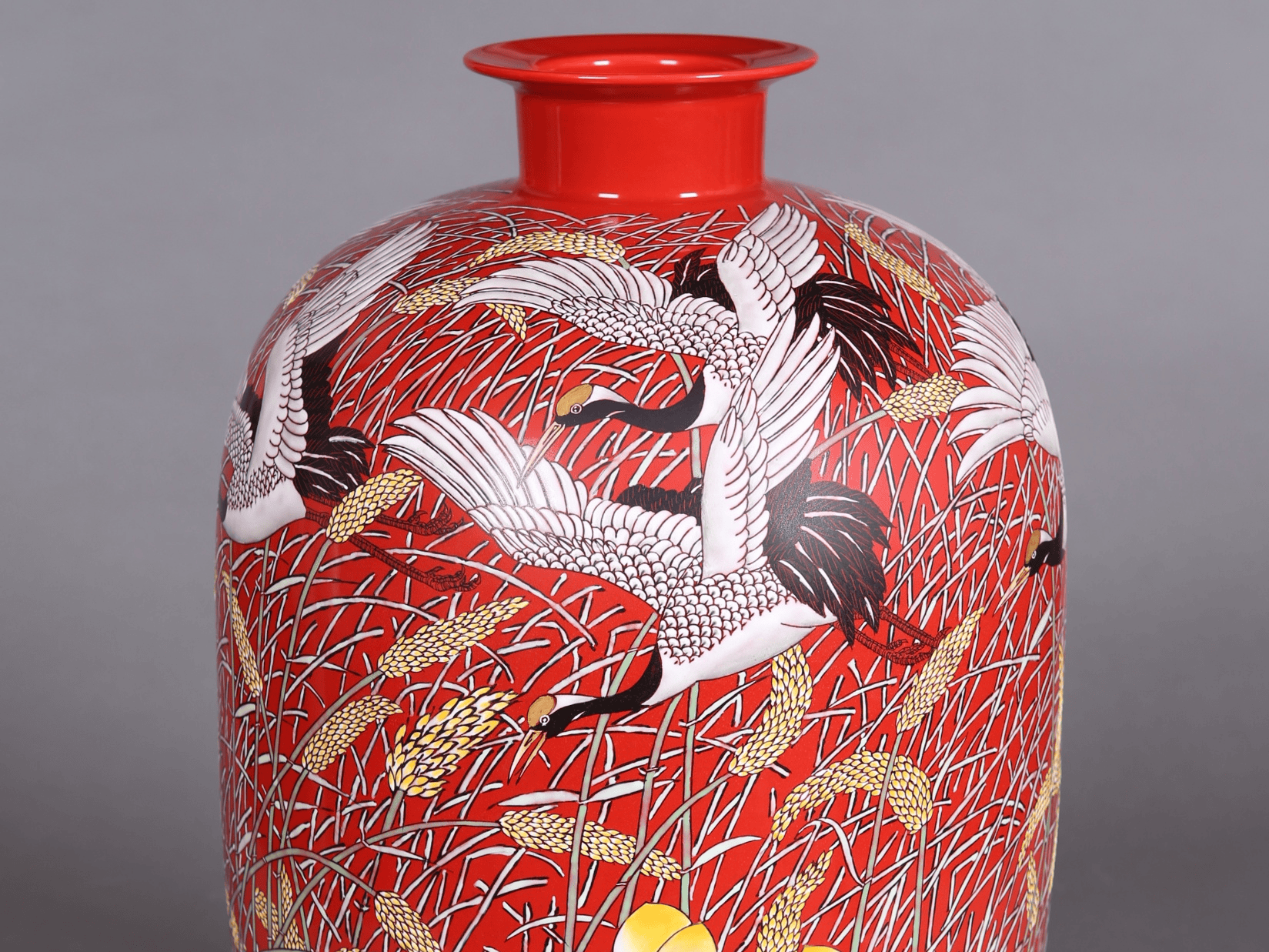
Ceramic creation embodies a distinguished discipline class with a long background, running back thousands of centuries. From ancient jars to cutting-edge displays, the element offers unsurpassed possibilities for creative rendering. Designers adopt various techniques – including modeling, wheel rotating, and elevated firing processes – to manufacture humble earth into stunning three-dimensional sculptures. The toughness of fired ceramic also contributes to its status as a truly significant part of human history.
Analyzing Porcelain Sign Compositions and Ways
The sector of ceramic plaque design offers a wide array of innovative possibilities. Creators often adopt a amalgamation of authentic and current techniques to craft visually remarkable pieces. These can stretch from simple, shaped reliefs to complex, multi-layered configurations. Common methods include mold making, artisanal shaping, varnishing – which can involve numerous techniques like underglaze painting, post-firing embellishment, and engraved motif where designs are exposed by taking away a layer of coating. Additional exploration into finishing techniques such as the raku firing method and lustreware can lead to truly uncommon and exclusive porcelain markers.
- The slip cast process - Forming pieces using a frame
- Physical Construction - Delicately building the soil
- Coating - Coating the external area with a silky finish
- Engraved motif - Exposing designs by scraping coatings
Immersive Experiences: Stoneware Art Presentations
The developing landscape of imagination presents exciting contemporary avenues for participants, and ceramic art installations are at the forefront of this transition. These aren't just static pieces; they are designed to envelop the participant in a sensory atmosphere. Imagine walking through a forest of towering, decorated ceramic trees, or navigating a network of refined ceramic vessels. Many craftsmen are now incorporating audio, brightness, and even aroma to enhance the vibe of their work. Envision the power of a room filled with hundreds of hand-built ceramic pieces, each telling a narrative. Traditionally, such installations examine themes of flora and fauna, remembrance, and the collective.
- The aforementioned installations blur the lines between craft and architecture.
- Participating in a ceramic art installation can be a deeply personal journey.
- Craftsmen are pushing the frontiers of what is possible with clay.
One Radiance of the Pottery Receptacle: Use and Configuration
The clay jar represents a distinctive mixture of applicability and aesthetic appeal. Historically, these urns served a elementary task in maintaining flowers, but their transformation has transformed them into highly valued works of handiwork. Each piece showcases the proficiency of the sculptor, demonstrating how form can be as essential as service. The careful shaping, the special glazes, and the holistic presence of a well-made container can lift a space, offering both magnificence and a quiet reminder of the manual hand.
Latest Brick Sculpture : Challenging Frontiers
Latest brick sculpture represents a fascinating departure from conventional practices. Artisans are intensely probing with innovative approaches, softening the edges between form and additional craft spheres. From large installations to detailed miniature pieces, these kinds of works examine themes of persona while parallelly transforming the fundamental of what terracotta can manifest. The result is a vigorous sphere of expressive articulation.
Porcelain Plate: Upholding Record in Stoneware
Porcelain plaques offer a exclusive method for preserving significant events and personalities. In contrast to traditional metal or stone markers, these lasting pieces of creation are formed from cooked clay, creating a concrete link to the former times. Frequently, they feature intricate figures or beautifully rendered imagery, portraying stories that might otherwise be neglected. That technique, Portable Travel Cup coming from ancient societies, provides a aesthetically pleasing and unfading way to acknowledge our collective heritage.
- Those can be installed in public spaces.
- Scores of are now acknowledged historical objects.
Clay Art Installations: Shifting Settings
Earthenware art installations are growing a impactful medium for craftsmen to redefine public and private environments. These immersive installations frequently involve massive clay sculptures that attract viewers, altering their understanding of the engineered environment. By adopting diverse techniques like modeled construction and sophisticated firing methods, ceramic artists develop truly remarkable experiences, overlapping the edges between sculpture and building. The effect is often a touching change that strengthens the decorative quality of the area and develops conversation.
Inception Potter's Wheel to Phenomenon: The Art of the Terracotta Pot
The journey of a terracotta pot from a simple lump of loam to a complete work of mastery is a testament to human ingenuity. Previously, the process begins with the potter’s rotating tool, where the knowledgeable artisan forms the rotary mud into a cylindrical contour. This foundational step demands cleverness and a sensitive eye, followed by a delicate setting period. Once raw-fired, the container is ready for beautification, which may involve applying intricate sketches, carving detailed imagery, or utilizing a variety of finishes. The terminal processing process then alters the item into a durable and attractive vessel, a tangible embodiment of the creator's imagination.
Carving with Earthenware: A Manual to Terracotta Practice
Delving the sphere of stoneware expression begins with recognizing the basics of shaping with pottery. That approach comprises carefully building and reducing matter to generate three-dimensional objects. If you're a beginner or a experienced artisan, exploring with distinct categories of porcelain – namely earthenware – will help you uncover your individual approach. In the end, clay crafting is a gratifying experience that integrates specialized competence with artistic manifestation.