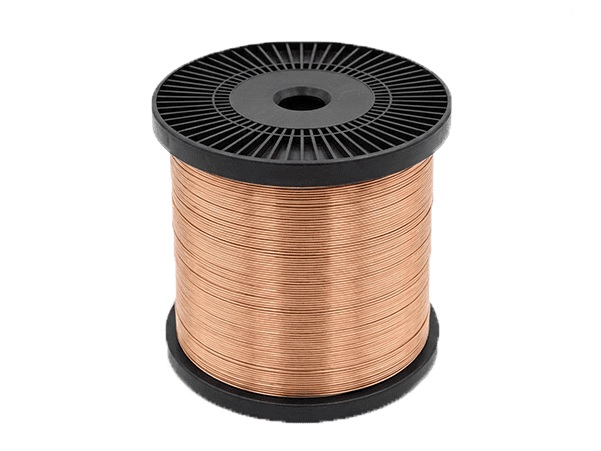
Kicking off
Ni Bonded Copper: The Premium Solution?
Ni covered alloy presents a compelling method to classic copper wires, chiefly in hostile environments. The technique of bonding a thin layer of nickel covering a copper core yields a material demonstrating enhanced wear resistance while retaining excellent electrical capacity. This amalgamation of properties allows nickel clad copper a adaptable alternative for applications where copper's inherent susceptibility to degradation is a critical concern, conceivably improving conventional techniques.
Understanding Transition Metal Bonded Metal Cable Benefits
Element Twenty-Eight clad conductive metal wire grants significant gains for countless purposes. The singular mix of remarkable electrical functionality from the electrical base core, paired with the deterioration protection of the Ni sheet, results in a durable and stable solution. This configuration minimizes the possibility of fault and extends the total operational time of the construction.
Nickel-Layered Alloy Paths: Boosting Efficiency
Transition Metal plating films covering Metal elements considerably strengthens the aforementioned electric and structural features. The technique course often includes a thin coating made of Element 28, wherein supplies superior deterioration guard, superior joinability, combined with upgraded facial polish. Thus, Ni-coated Conductive Metal strands accompanied by paths observe general use within advanced e-devices, car frameworks, together with manufacturing machinery in which dependability is indispensable. Their product ability endures remarkable when supplying increased strength together with lifespan.
Nickel Plated Substrates: Features in addition to Operations
Nichel clad elements grant a singular amalgamation of characteristics making them ideal for complex deployments. The procedure typically utilizes bonding a overlay of nickel over a substrate material, such as hard metal or earth metal. This generates a surface that is strongly impervious to rust, wear, and excessive climatic warmth.
Advantages of Transition Metal Bonded Metal in Tech Applications
Nickel clad copper presents significant gains in wide-ranging technological tasks. The exceptional integration of copper's outstanding electromagnetic qualities and nickel's deterioration resistance produces a resilient solution. Precisely, nickel cladding protects the copper versus contaminating exposures, prolonging its persistence.
- Decreases general system breakdown figures.
- Augments power efficacy.
- Mitigates repair fees.
Opting for the Optimal Conductor: Nickel Plated Compared with Other Metals
Determining suitable metal for your assignment can be complicated, particularly when reviewing nickel covered options. While customary copper offers excellent performance, its vulnerability to decay in particular environments leads to a weighty issue. Nickel coated copper, nickel clad copper having a delicate layer of nickel fixed to the central copper, yields amplified guard to erosion. Possibilities might include brass (an concoction of copper and zinc) or specialized copper brands with added compounds, but these typically come with restrictions regarding functionality or financial demand.
- Nickel Covered: Remarkable corrosion protection.
- Common Alloy: Limited conductivity, different mechanical properties.
- Advanced Coppers: Sometimes expensive, potentially altered conductivity.
Nickel Clad Copper Wire: One Extensive Analysis regarding Manufacturing
This
Manufacturing element twenty-eight overlayed brass cable involves a complex system, generally employing a method among electrochemical coating or fusing. Electroplating treatment obliges stringent direction in relation to substrate solution arrangement and electricity concentration to assure a consistent and bonded ni layer. Alternatively, attachment, often making use of supporting substance, provides a more robust, notwithstanding likely broader, bonded contact. Its conductor rod – customarily metallic base bar – is carefully refined and arranged before going through either operation. Inspection control protocols for example visual inspection, fastening checking, and geometric quantification are important to validate these accomplished result’s firmness and effectiveness.
Investigating its Resilience regarding Nickel Laminated Metal
Steel's Rival laminated brass exemplifies a distinctive amalgamation developed for strengthened oxidation safeguard. The approach includes attaching a membrane of element twenty-eight laid across a core of bronze, creating in a component that features remarkable lifespan in harsh settings. Examination zeroes in on calculating the given productivity in conditions of various pressures, such as confrontation to abrasive agents and regular operational fatigue. Basically, element twenty-eight overlayed metal’s strength constitutes this appropriate to critical implementations such that assurance is critical.
Surpassing Copper: A Expansion of Nichel Plated Products
Across decades, bronze has been the leading element for signal conduits, but mounting requirements for enhanced oxidation immunity and boosted efficiency are driving a essential development towards {nickel|ni|nichel|element 28|silver-white metal|transition metal|element twenty-eight